Contact

Gasket sheets
LATTY gasket sheets are the raw material for your static sealing solutions. Available in many grades (aramid, PTFE, graphite, metal/graphite, etc.), they allow for the selection of the most suitable material for the temperature, pressure, and chemical compatibility constraints of each application.


Modified filled PTFE gasket for demanding static sealing applications
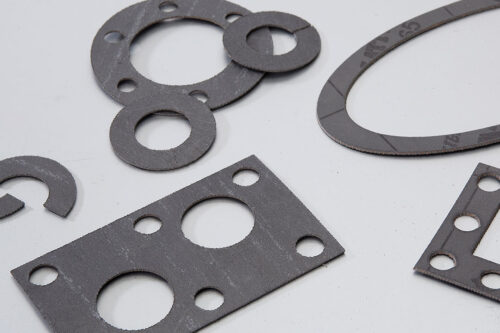
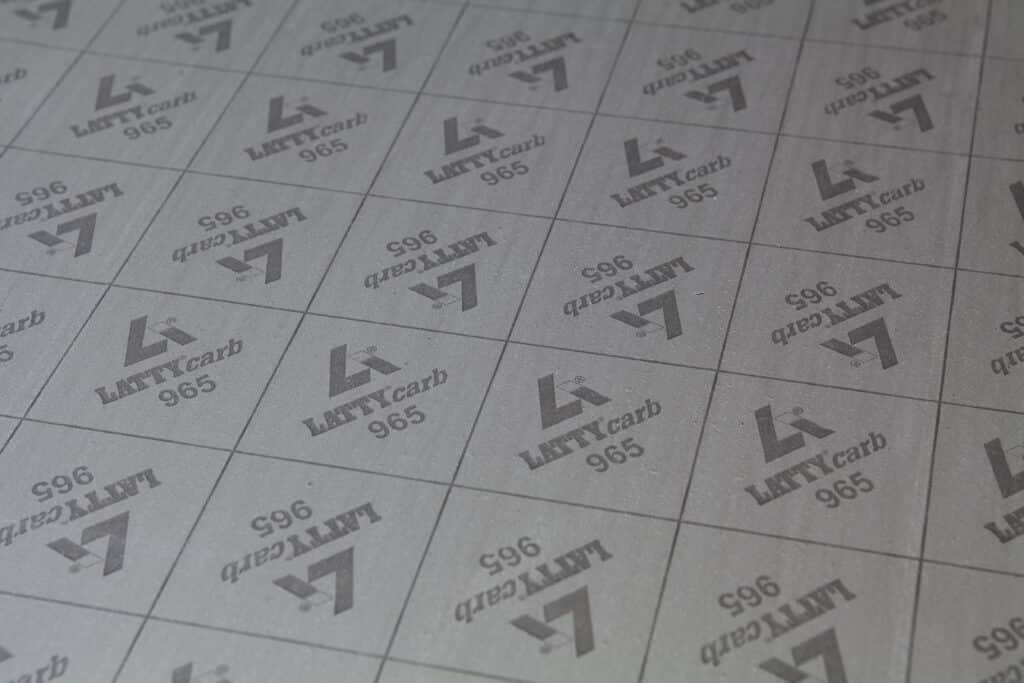
Flexible carbon sheet, easy to cut, for static sealing applications
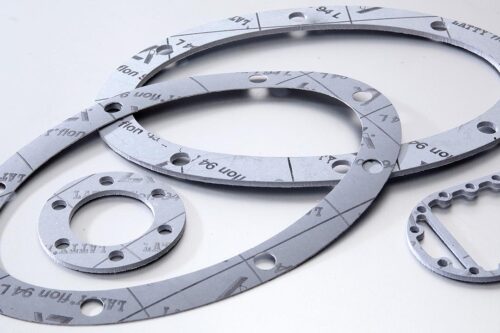
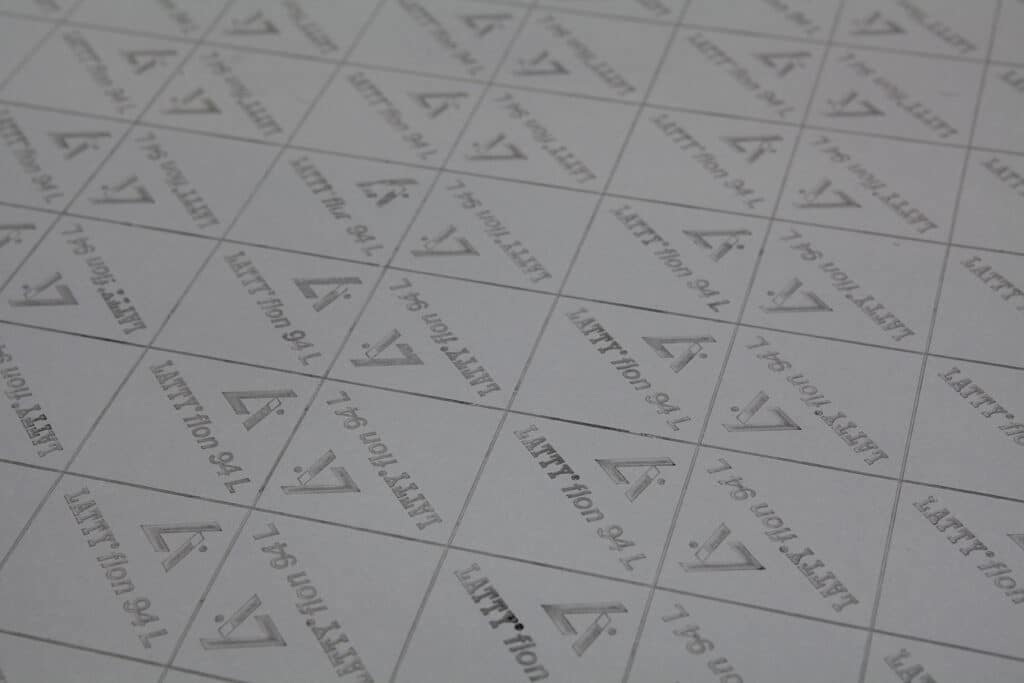
Modified filled PTFE gasket sheet for industrial static sealing applications


Synthetic fibre gasket with anti-stick treatment on both sheet faces for static sealing
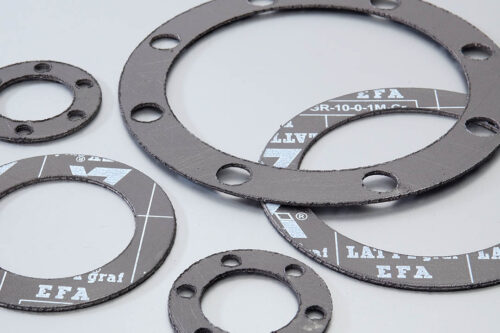

Gasket sheet with the highest pressure/temperature factor for static sealing
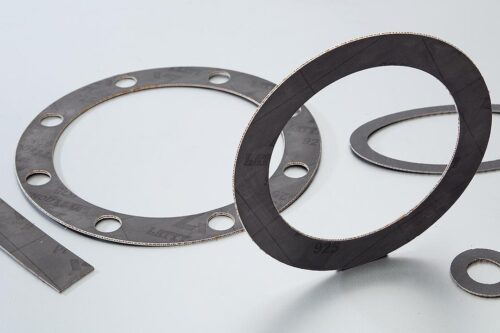
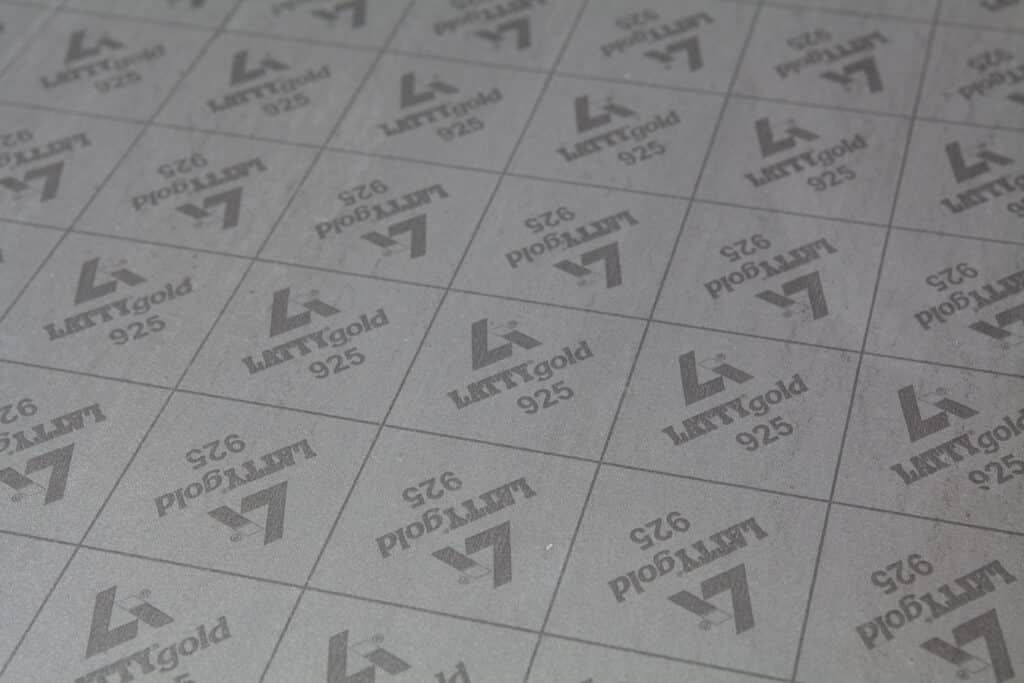
Versatile aramid gasket sheet for static sealing
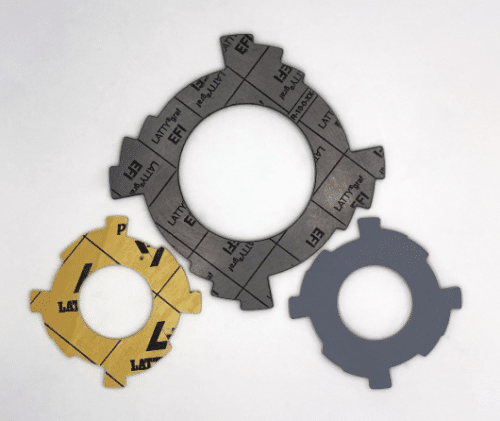

A single flat gasket part number for multiple pressure classes: simplify your inventory management and secure your maintenance operations.
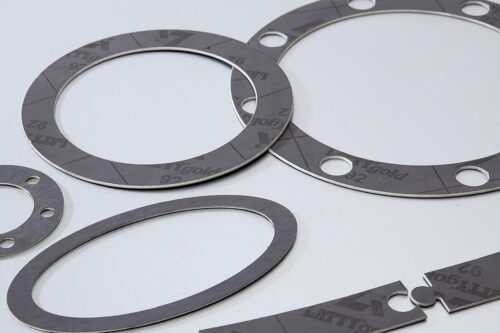
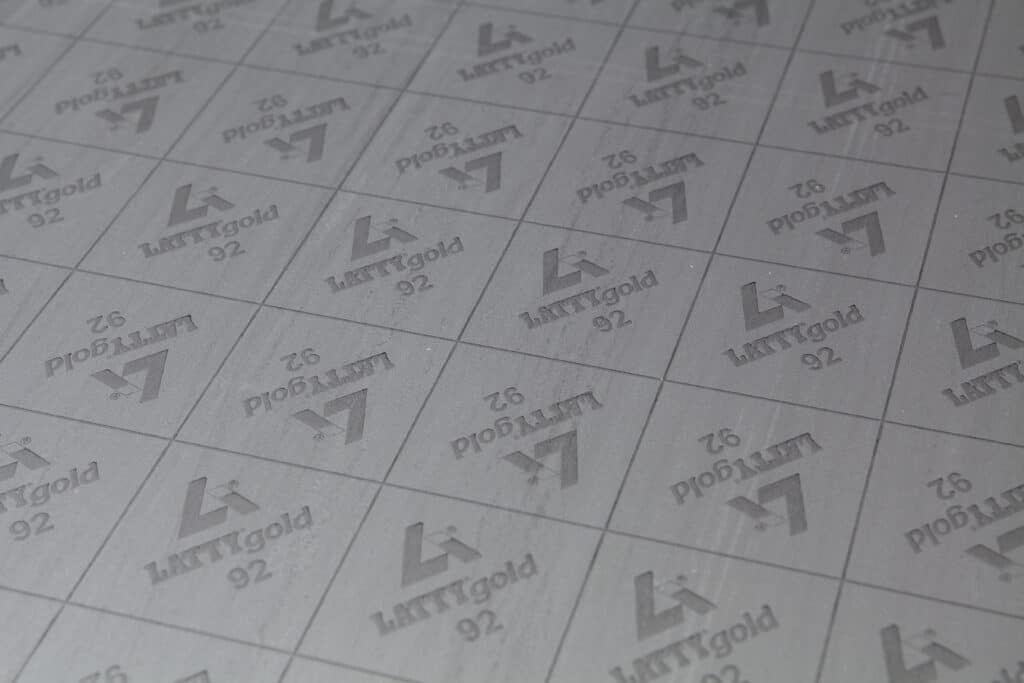
Versatile aramid gasket sheet for static sealing


Gasket sheet for aggressive environments in static sealing applications
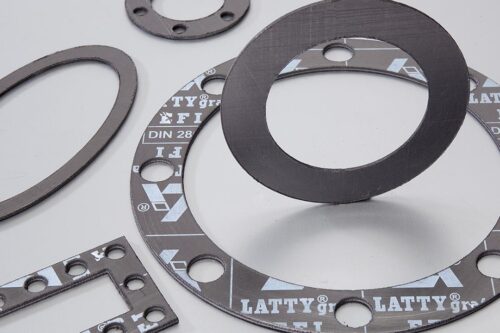
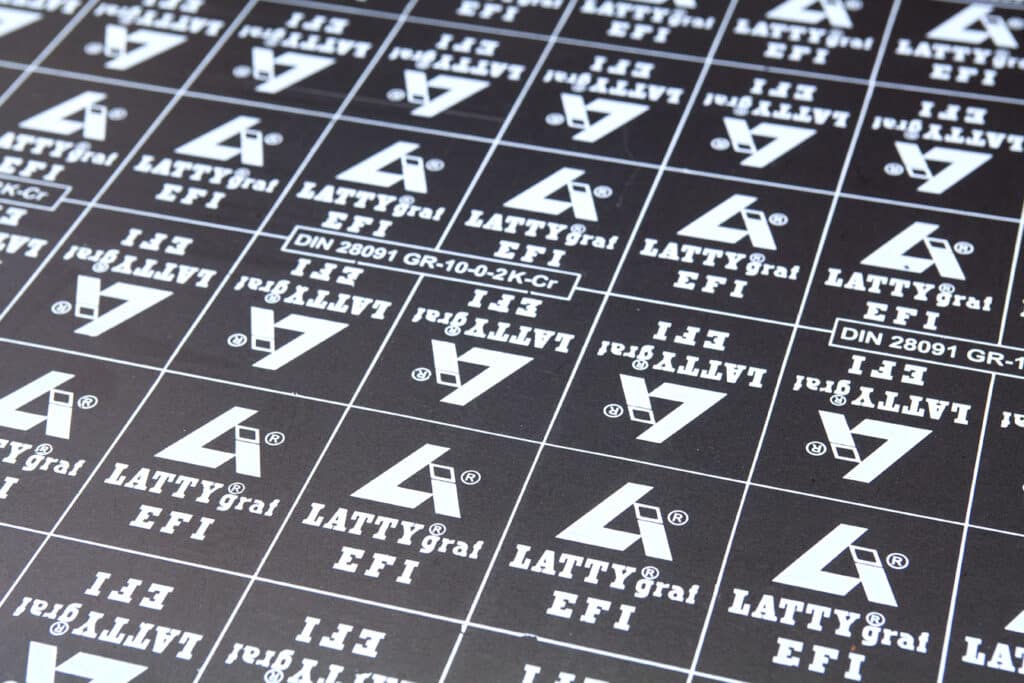
Expanded graphite and stainless steel gasket sheet for static sealing


PTFE sheet with excellent performance in aggressive media for static sealing
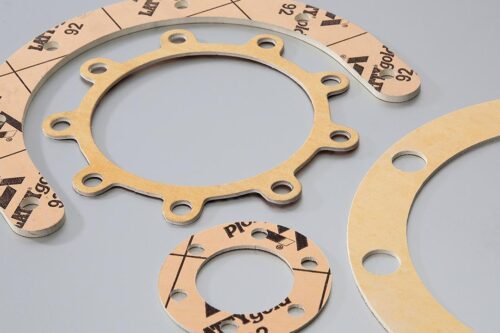
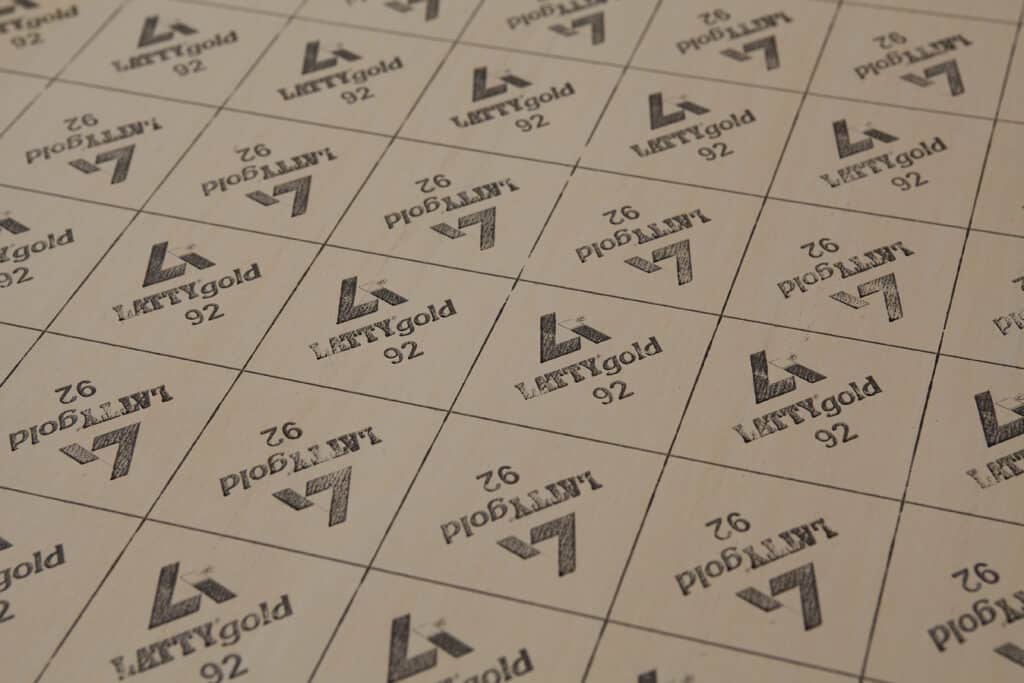
Versatile aramid gasket sheet for static sealing
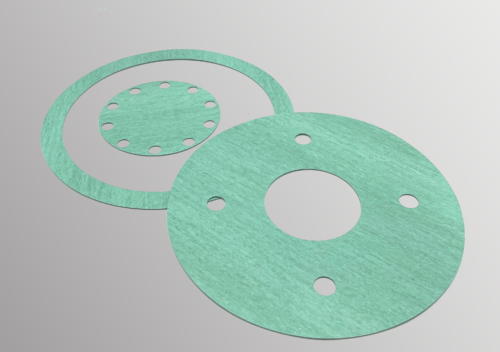

Synthetic fibre gasket with anti-stick treatment on both sheet faces for static sealing
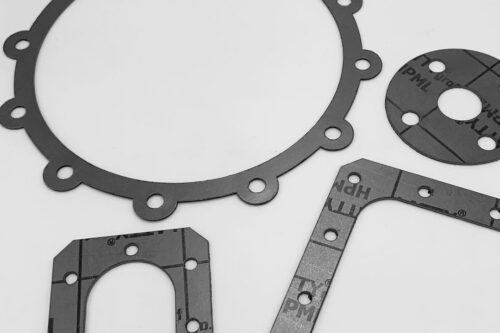
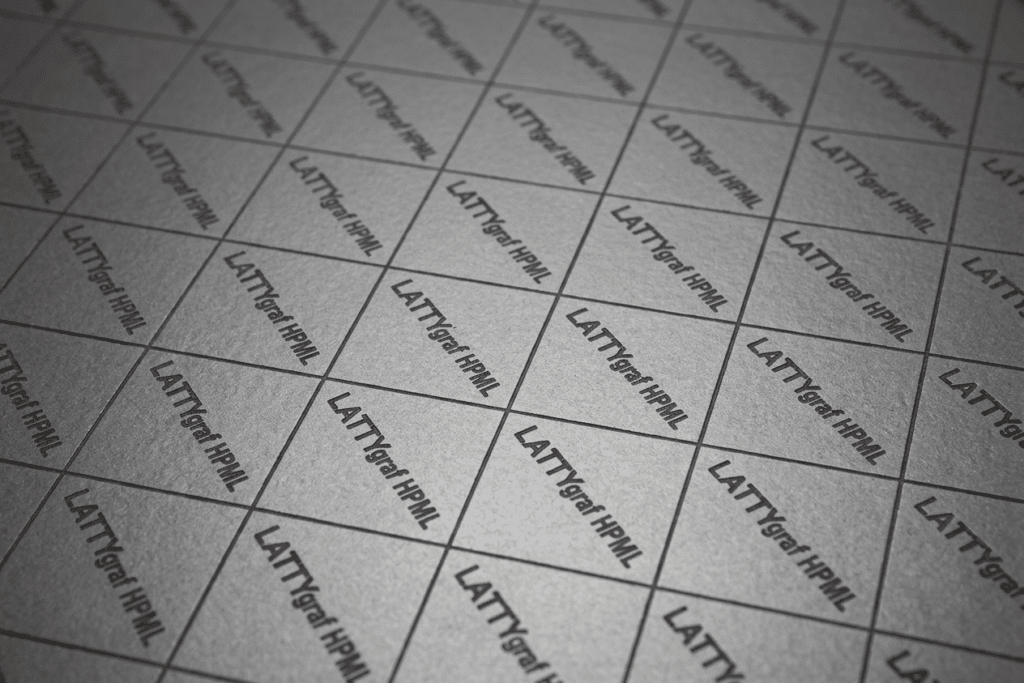
High pressure multilayer graphite gasket
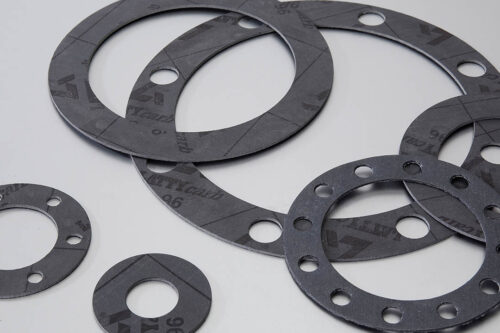
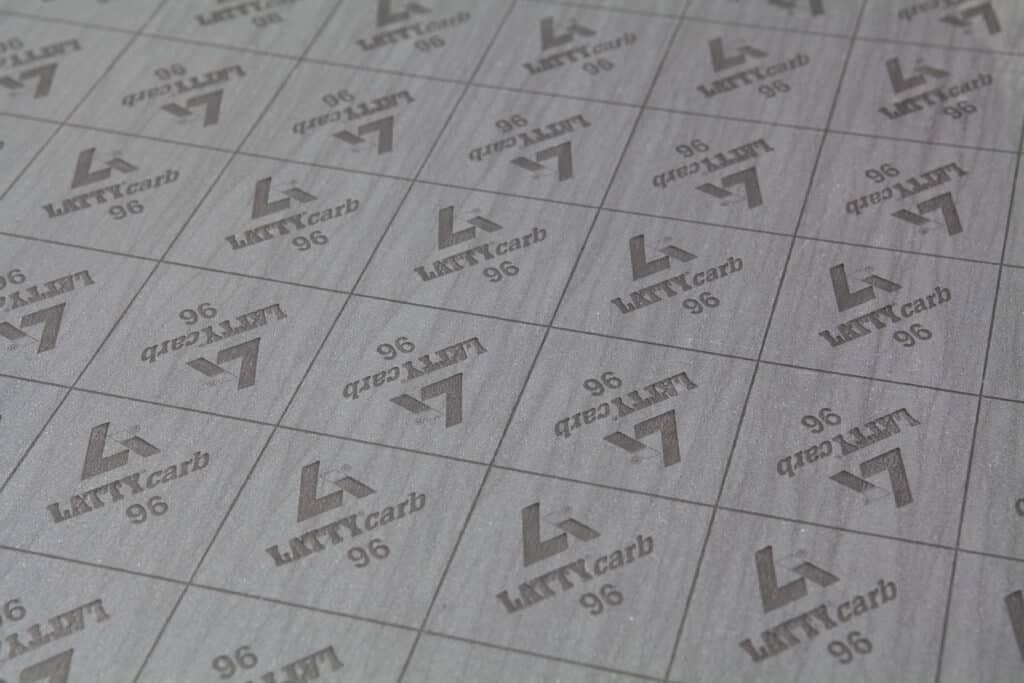
Flexible carbon sheet, easy to cut, for static sealing applications
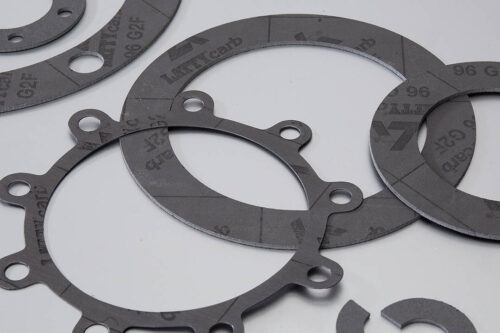

Flexible carbon sheet, easy to cut, for static sealing applications
1 - 16 on 16 results
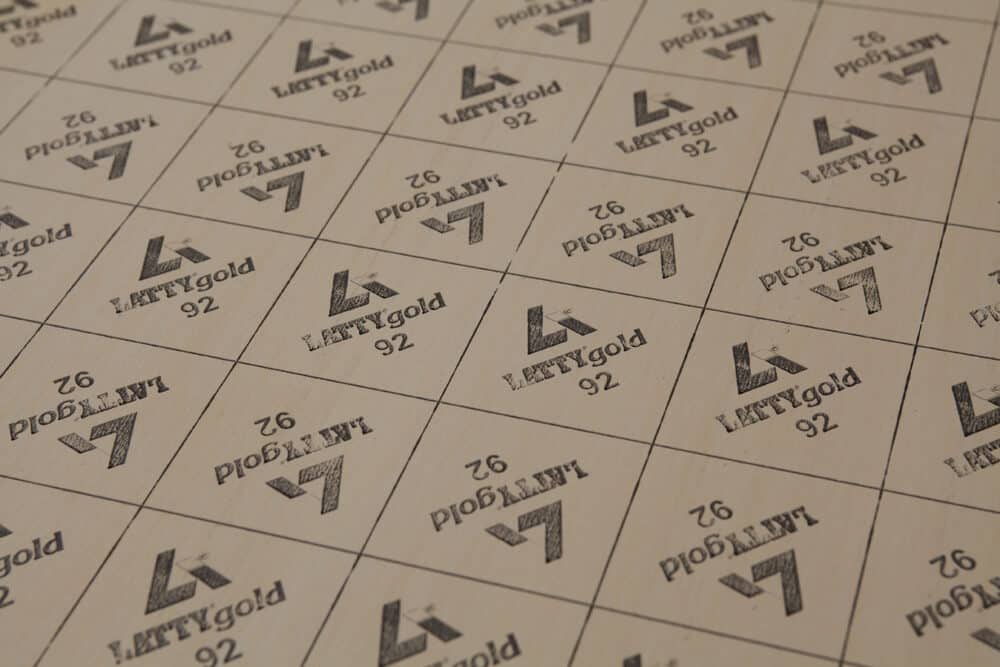
Advantages of Gasket sheets LATTY
- The expertise of a French manufacturer specialized in industrial sealing for over 100 years
- Excellent sealing of flanges and static assemblies.
- High resistance to temperatures and pressures depending on material grades.
- Compatibility with a wide variety of fluids (water, steam, oils, hydrocarbons, chemicals, etc.).
- Excellent chemical resistance for demanding industrial environments.
- Custom cutting to fit all gasket dimensions and geometries.
- Reduced risk of leakage and improved installation safety.
- Long service life, limiting maintenance operations.
- Wide range of materials (PTFE, graphite, etc.) to meet every application.
- Compliance with regulatory requirements through certified solutions according to industry sectors (FDA, CE 1935/2004, ACS, etc. depending on references).
Wide choice of materials for every industrial application
GROUPE LATTY offers a complete range of gasket sheets to meet the majority of static sealing needs. Aramid fibers, PTFE, expanded graphite, or metal/graphite solutions: each material has specific characteristics suited to your installation requirements.
Excellent resistance to temperatures, pressures, and aggressive fluids
Our gasket sheets are designed to maintain their performance in demanding environments. They offer high resistance to extreme temperatures, high pressures, thermal cycling, as well as numerous chemical fluids, hydrocarbons, industrial gases, and steam systems.
Reliable and durable sealing over time
The quality of selected materials maintains optimal sealing stress throughout gasket service life. This stability helps limit leakage risks, reduce maintenance operations, and improve overall equipment reliability.
Technical support from sealing specialists
Choosing a gasket sheet depends on numerous parameters such as temperature, pressure, fluid, flange type, and tightening conditions. LATTY technical teams support users in selecting the most suitable solution to ensure performance, safety, and longevity of installations

Frequently asked questions about Gasket sheets
How do I choose a gasket sheet suitable for my application?
Selection is based on analysis of service conditions: temperature, pressure, chemical nature of the fluid, flange type, mechanical stresses, and available bolt load. These parameters determine the material offering the best compromise between sealing performance and service life.
What is the difference between a fiber/aramid sheet and a PTFE sheet?
Fiber/aramid sheets offer excellent mechanical performance for standard industrial applications. PTFE sheets provide superior chemical resistance and are particularly suitable for corrosive fluids and fragile flanges.
Why use an expanded graphite sheet?
Expanded graphite has excellent resistance to high temperatures, thermal cycling, and high pressures. It is particularly used in the energy, petrochemical, and thermal process sectors.
What criteria influence gasket performance over time?
Maintaining bolt load, creep resistance, material relaxation, thermal variations, vibrations, and chemical compatibility with the fluid are the main factors influencing gasket service life.
Do you have solutions for nuclear applications?
Yes. GROUPE LATTY offers several materials and sealing solutions qualified for nuclear environments, meeting specific requirements for safety, traceability, and performance.
Why choose LATTY solutions?
French manufacturer for over 100 years
A comprehensive offering adapted to the constraints of each industry
Reduced wear and extended equipment lifespan
Technical support from specialists
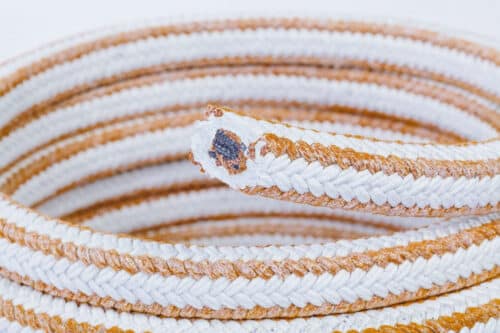
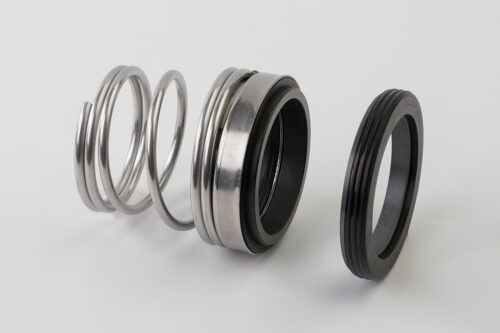
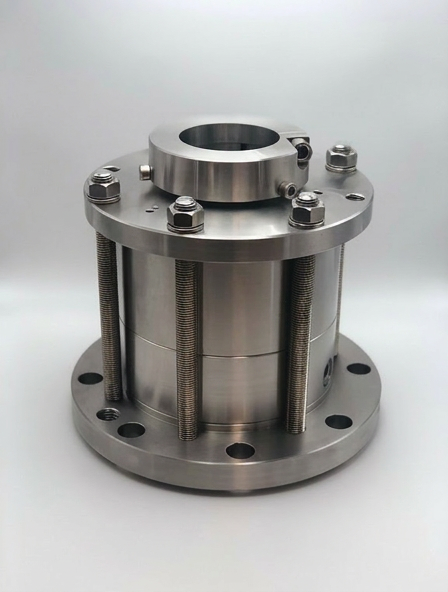
Other sealing product categories
Browse our main families of sealing products, developed to meet the needs of industrial operators across all markets and constraints.



Services to support your industrial projects
Beyond products, GROUPE LATTY supports industrial clients at every stage of their projects, from solution selection to implementation and long-term monitoring.